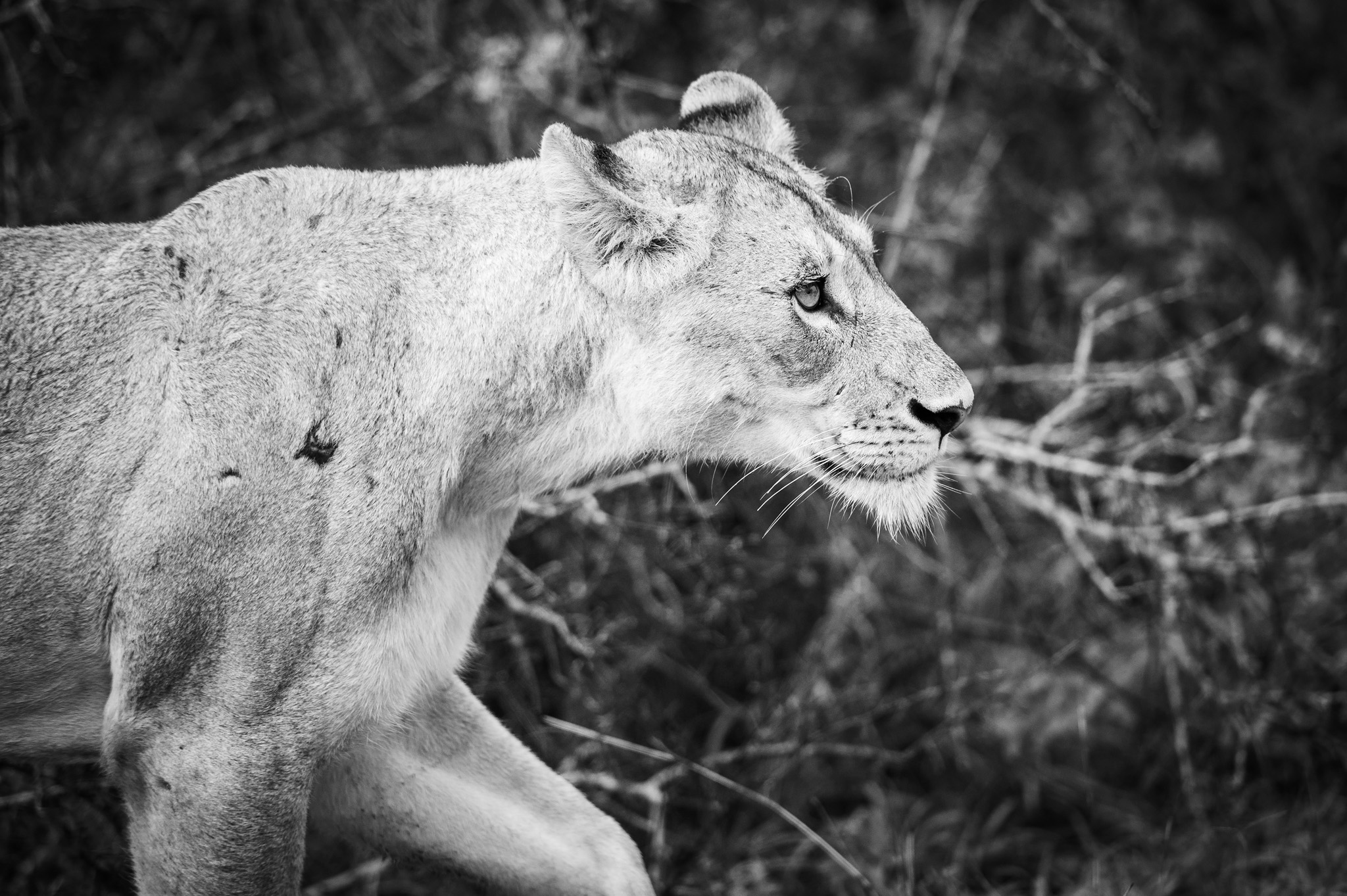
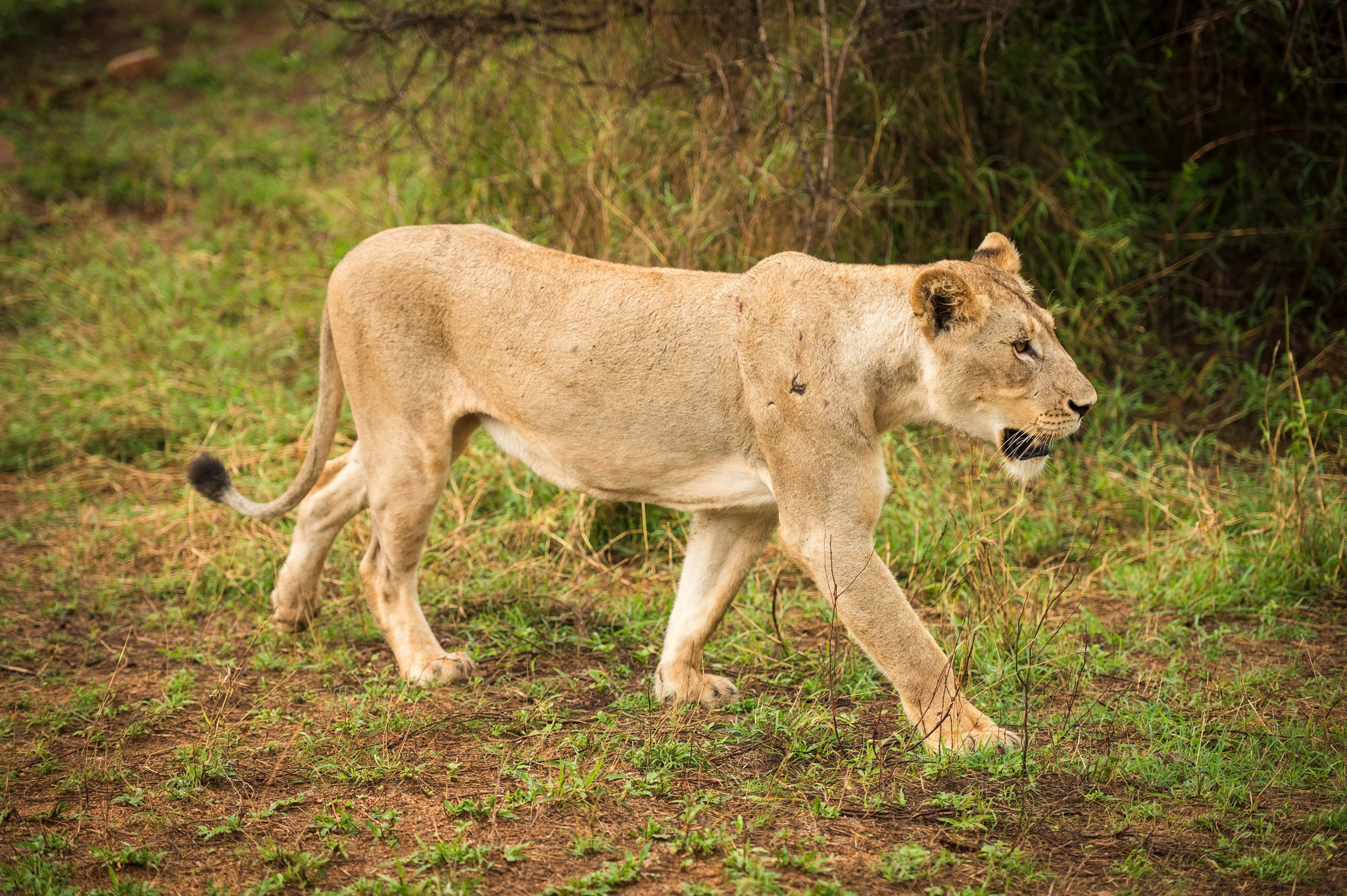
A female lion, or lioness, walks through the rain in the forest near the Skukuza Rest Camp.
I was in South Africa back in 2024 on a nearly two month family visit. On my way out, I must have dropped my camera bag or something during my flight, as when I arrived in Durban, I found my MacBook completely inoperative. Luckily I was able to borrow a computer at the local Apple dealer in Durban to transfer my camera cards to my portable hard drive, but still, I came home with nearly 5,000 unsorted digital camera images. Now that I’m having a bit of post summer quiet time, I’ve decided take a go at sorting through the photos and making something out of it.
First up, African animals and the epic trip I made through Kruger National Park in North East South Africa. I ended up with so many photos that I’m going to break this pinto two or three versions.
What I love about Kruger is that you don’t need to stay at an expensive game park to see to have an amazing trip. I travelled from the southern Malalane Gate to almost the northern Punda Maria Gate in Volkswagen rental car and stayed at the very reasonable priced thatch roof roundaval huts that are located in a series of bush rest camps. There are lots of commercial game parks in the area that very luxurious, but mostly full of foreign tourists. Since Ilive in a resort, that’s not my idea of a holiday.
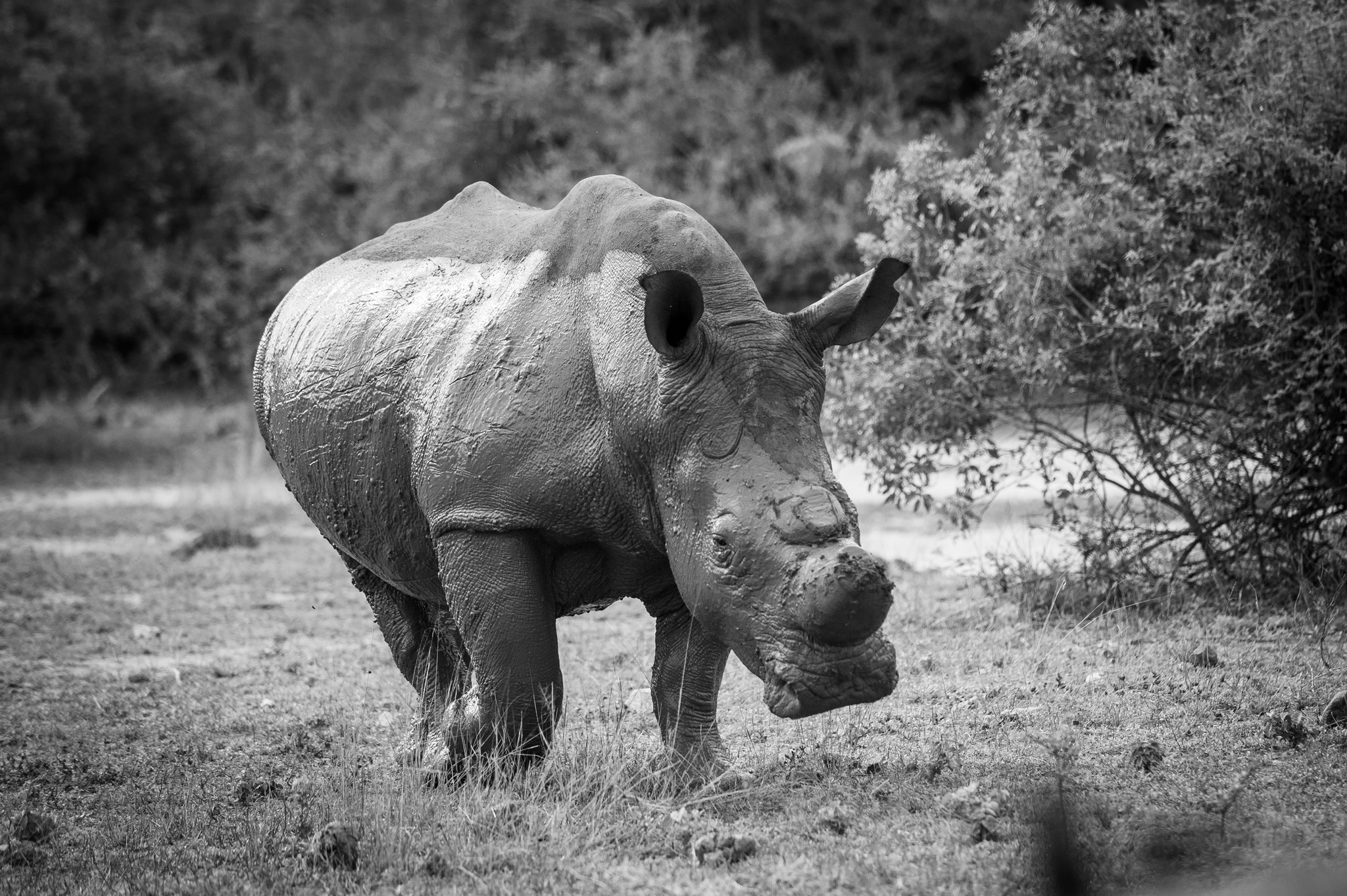
A mud covered Rhinoceros with sawed off horns. Near the Skukuza Rest Camp.
The thing with Africa is that it’s hot during the day, and really hot in Kruger. Most of the large animals are spending their days trying to keep cool. This group of Rhino’s had been wallowing in a large mud hole, but I was only able to get a couple of shots of not very clear shots at them. I had driven a little way down the road when this mud covered guy appeared out of the forest. I loved the way the light was reflecting off the mud on his flanks. The anti-poaching rangers have been sawing off the rhino’s horns to deter poachers, so you don’t see the guys with the two foot long front horns anymore, which is kind of sad.
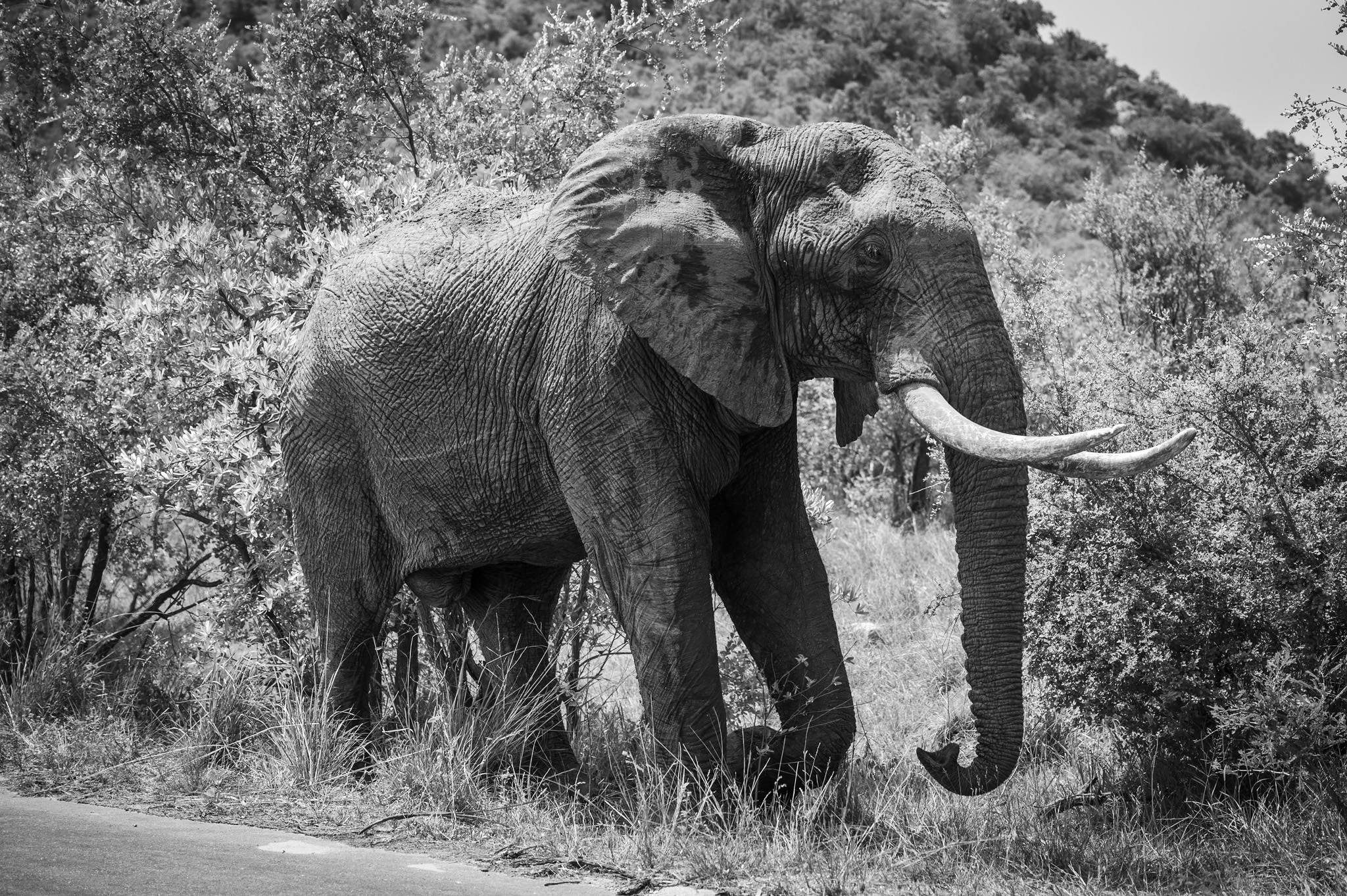
Elephants along the roadside near the Berg-en-Dal Rest Camp.
I met this guy in the first hour I was in the park. I was heading to the Berg-en-Dal rest camp, right near the southern entrance gate, mostly just to get some lunch and use the bathroom. I took a couple of photos and decided I was hungry and since there elephants everywhere, I decided to drive around the herd of elephants. Bad idea as it turned out, as this big guy suddenly rounded on his rear legs with surprising speed and agility, swung his head and tusks over the hood of my car, and gave out a huge roar. Kind of elephant for what’s with all the photos bub? I was thinking that he could take the little Volkswagen completely apart if he felt like it, as Looked straight into his eyes. When I finally got into Berg-en-Dal, I found I had elephant snot all over the hood the car. Good introduction to African game parks.
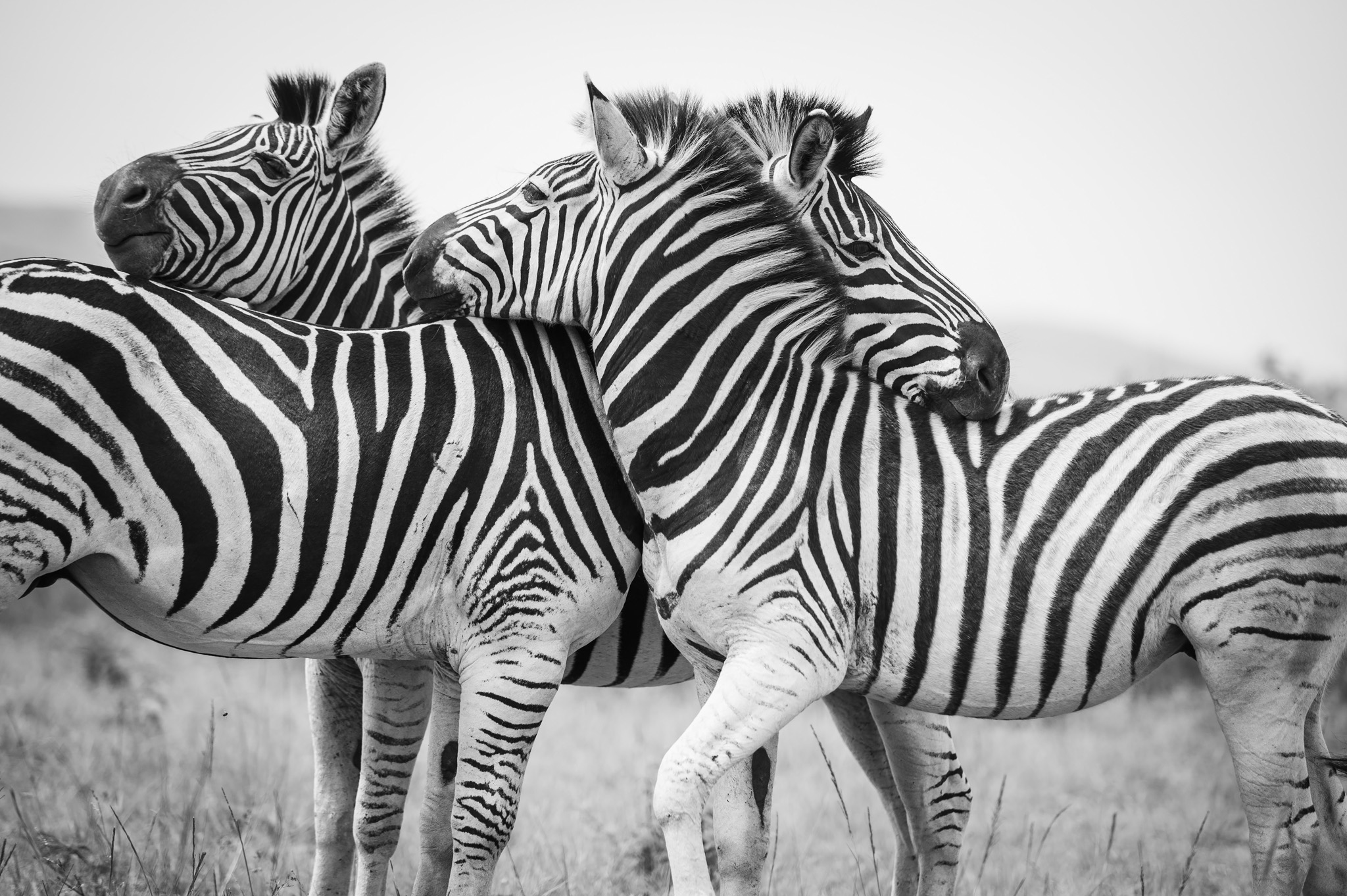
A herd of Zebras.
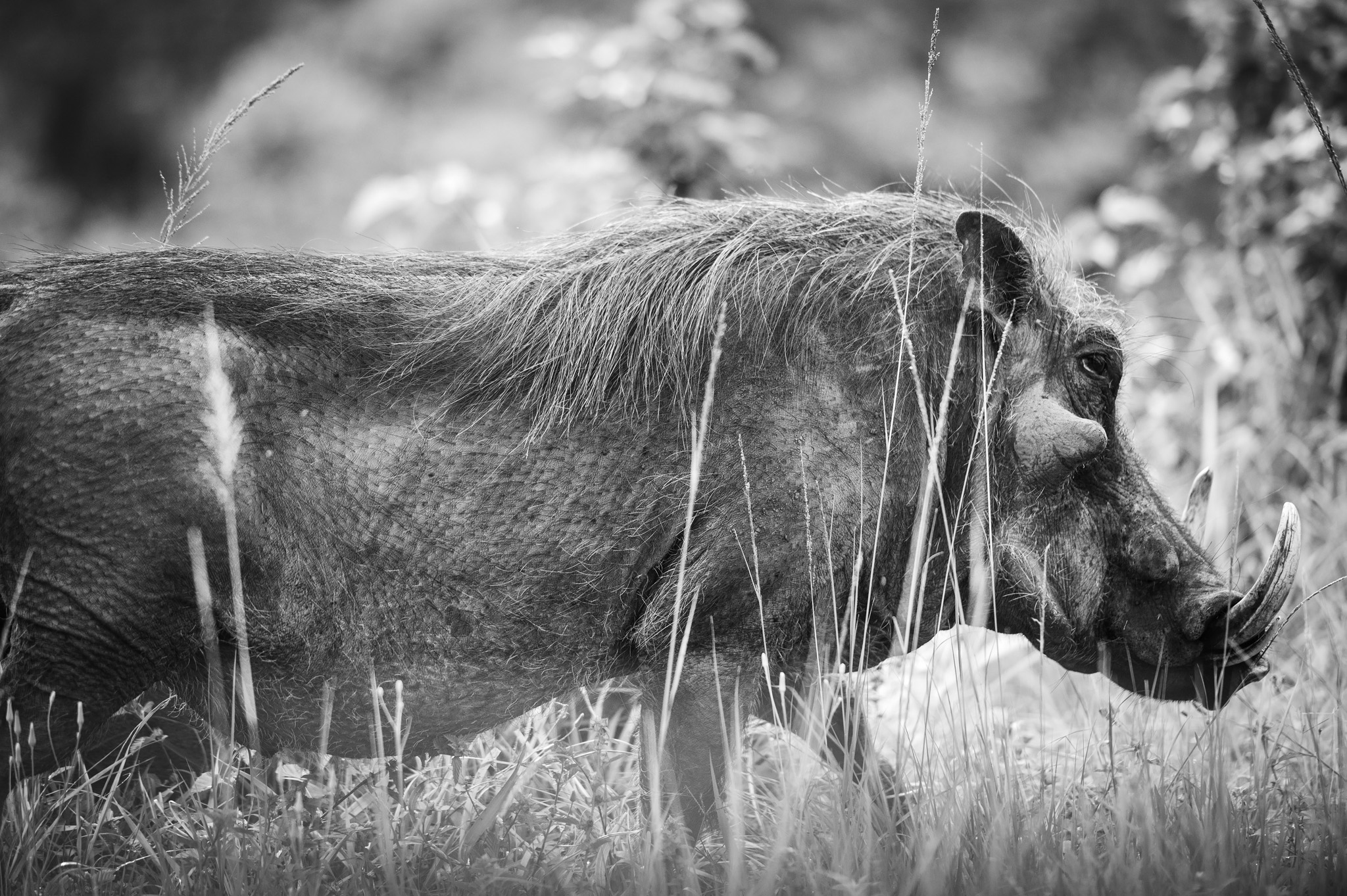
A Warthog moves through heavy brush.
Kruger is so lush that animals like zebras and warthogs are everywhere. I have a soft spot in heart for warthogs, they genuinely roll to their own tune. They’re widely hunted in the commercial tourist safari lodges, so you see a lot of warthog sausage and biltong (kind of pungent Afrikaans form of jerky) made from the left over meat, which is actually delicious.
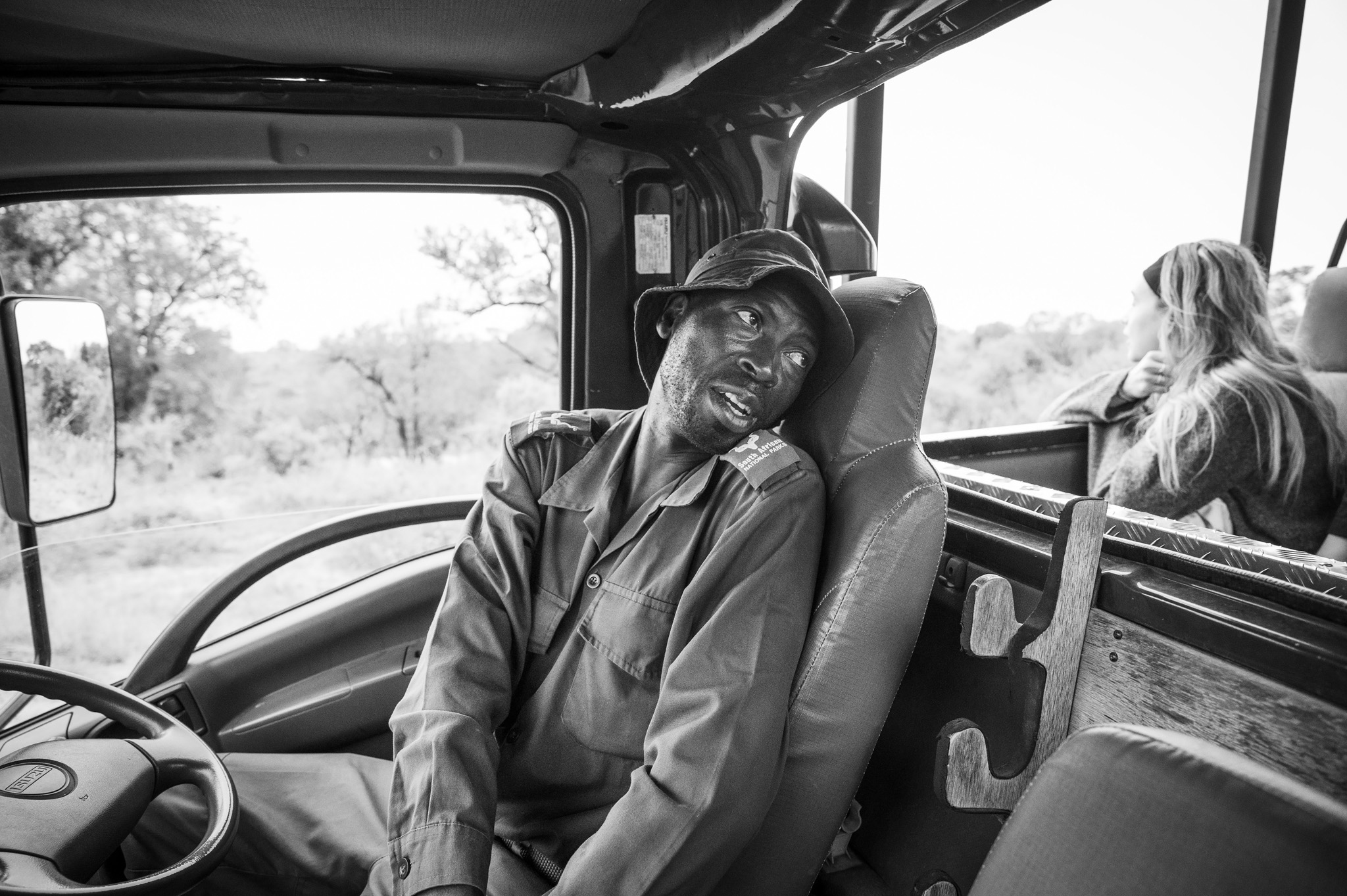
The tour guide of a game viewing vehicle near the Skukuza Rest Camp.
When I would get into the camp and get settled into my roundaval hut, I’d go book myself into either sunset (my favourite) or a night game drive. You really get to see the animals from the higher game truck, and the guides are very knowledgeable. The night drives are kind of hit and miss, it might be amazing, or you might be driving around in the dark without seeing anything. The sunset drives are a good bet most times.
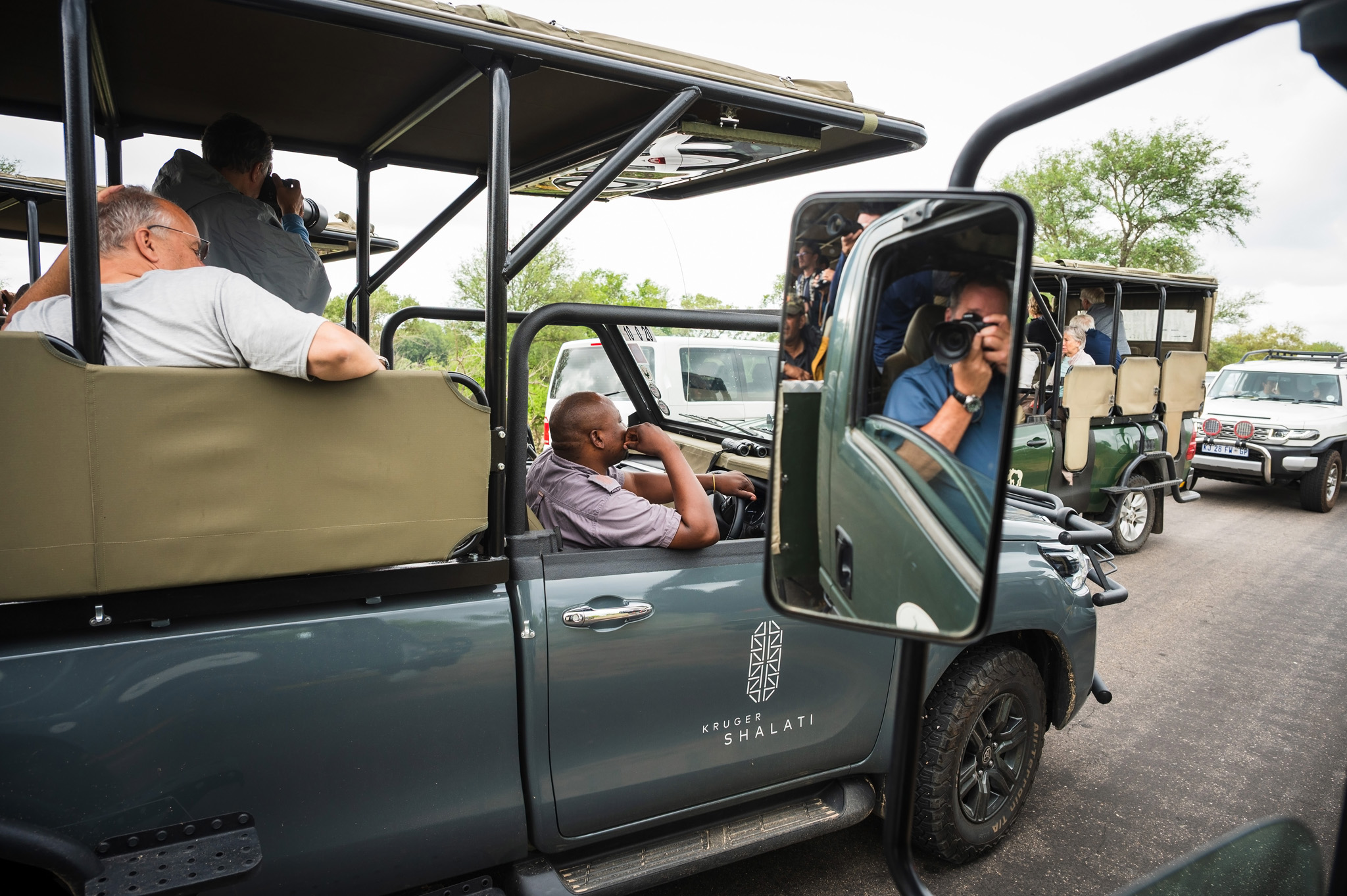
Resort safari vehicles jam up a road near the Skukuza Rest Camp. A little self portrait, as I had the shotgun seat.
There are lots of private resort style game camps that operate in the southern part of the park, both inside Kruger Park and just outside the gates. In the southern part of the park, they’re Hi-Lux safari trucks choke the roads at times. They’re very luxurious, but mainly cater to wealthy American and Europeans. As you can see from the photo here, they’re looking at the same animals as you when you just use the park facilities. One of the great things about Kruger park is that most of the guests are local South Africans or young travellers. Once you head farther north up into the park, the commercial operations start to fall away.
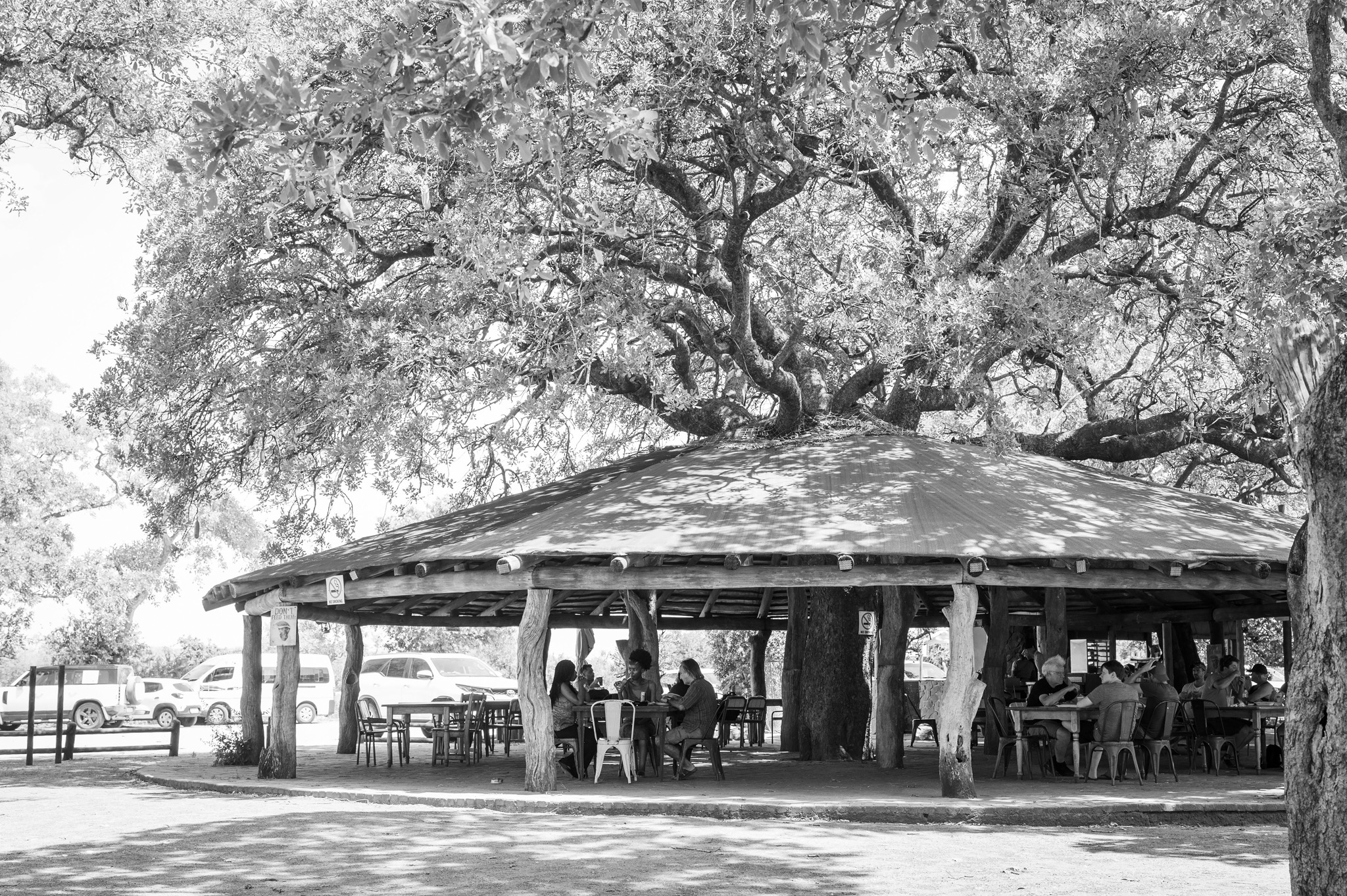
The Tshokwane Trading Post & Picnic Site, on the road between the Skukuza and Satara Rest Camps.
Tshokwane is a cool spot on the road north from Skukuza. It’s run by the local tribe. You can get a Braai’d (an African barbecue) Boerwors (a local Afrikaans sausage, translates to farmers meat) roll and a beer, along with a big shady tree to sit under. As far as I’m concerned, this is the laid back way to see Africa, you drive along checking out the animals, then pull into a rest camp and hang out for a while.
Getting There
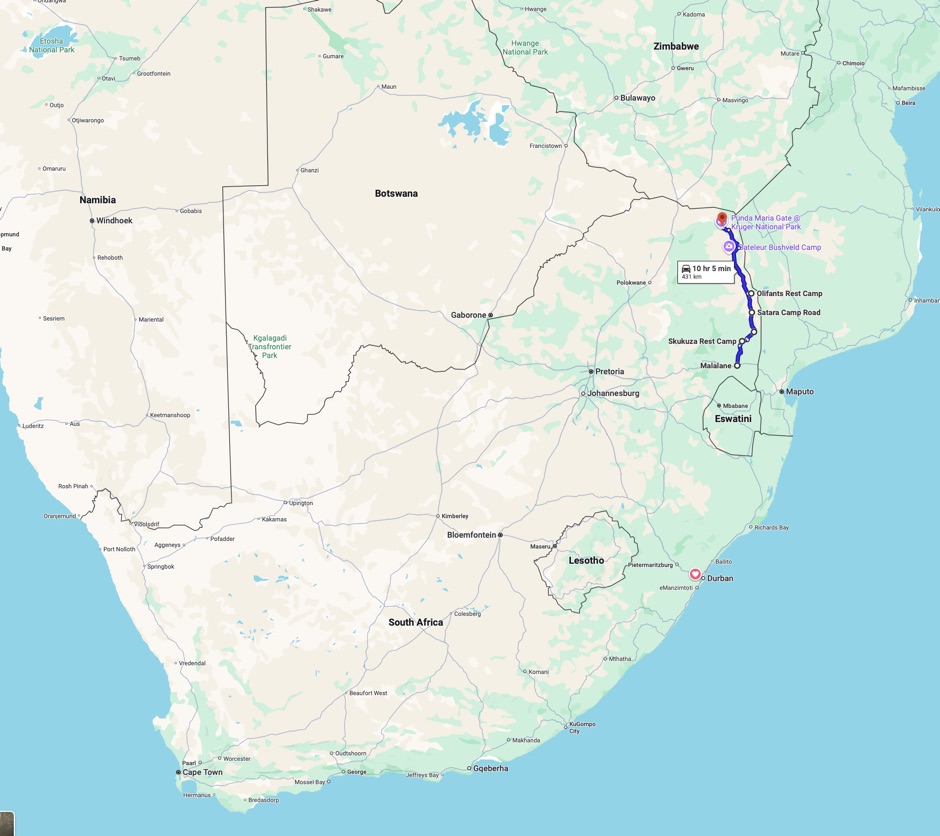
A screenshot of South Africa with my route through Kruger. You can rent a car in Johannesburg and drive to the main southern gate at Malalane in about six hours. The first part is just driving across the flat featureless East Rand, but then you get into a low mountainous area that’s quite pretty. South Africa can be dangerous if you get too far off the beaten track, but the highway side gas stations all have restaurants and coffee shops and are totally safe. Google Maps is your friend for finding your way around.
Make sure to fill your tanks with as much gas as you can get, as gas stations are only available at a few rest camps, mostly in the southern part of the park. Get some local cash as well, credit cards are fine for most places in the park, but as you go north, internet gets really sketchy. Cell phones and mobile data is sketchy as well, so make sure to check your e-mails before you get into the park.
The drive up from Durban is about 12 hours straight, and much more rural. The coastal road is very pretty, and then you get into big timber farms, not what you’d expect in Africa,
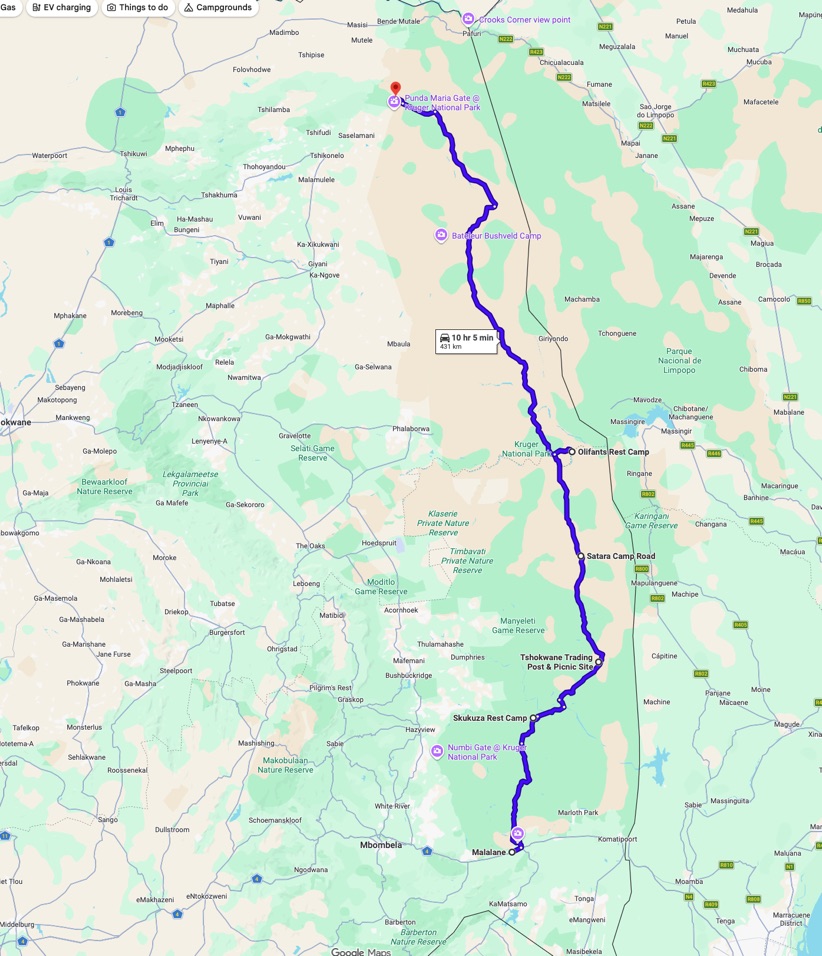
That’s my route in closer detail. Thee’s no real border on Google Maps, so just look to the big empty space in the Northeast part of South Africa. That’s several days of driving. I went to Skukuza the first day, then up to Satara, then up to Letaba (so small it doesn’t show up on Google Maps), then up to Punda Maria near the Zimbabwe border, then back again. The speed limit on the roads is 30km/h, about 20 mph, so it’s a long slow mosey through Africa. You’re not allowed out of the rest camps after sunset for safety reasons.
I find that the on-line resources for Kruger are pretty meagre. You can get locally written and published Kruger guides at any news stand in South Africa and I’d highly recommend picking up one of those.
You can make bookings on-line at the Kruger National Park web page. Be really careful when you Google Kruger, there are a lot of fake Kruger web pages that will book you by phone, then add a big tariff on. You can book the rest camps on-line, and be sure to book them a week or two out, as they can fill up at peak times. Game drives you can book at the rest camp main office. I would usually book a drive when I left the camp in the morning for an evening drive. It’s really hot during the days, but gets pretty cold at night, so pack a decent jacket for the sunset and night drives.
The next part of this blog will be the Olifants and Letaba camps in the middle part of the park.